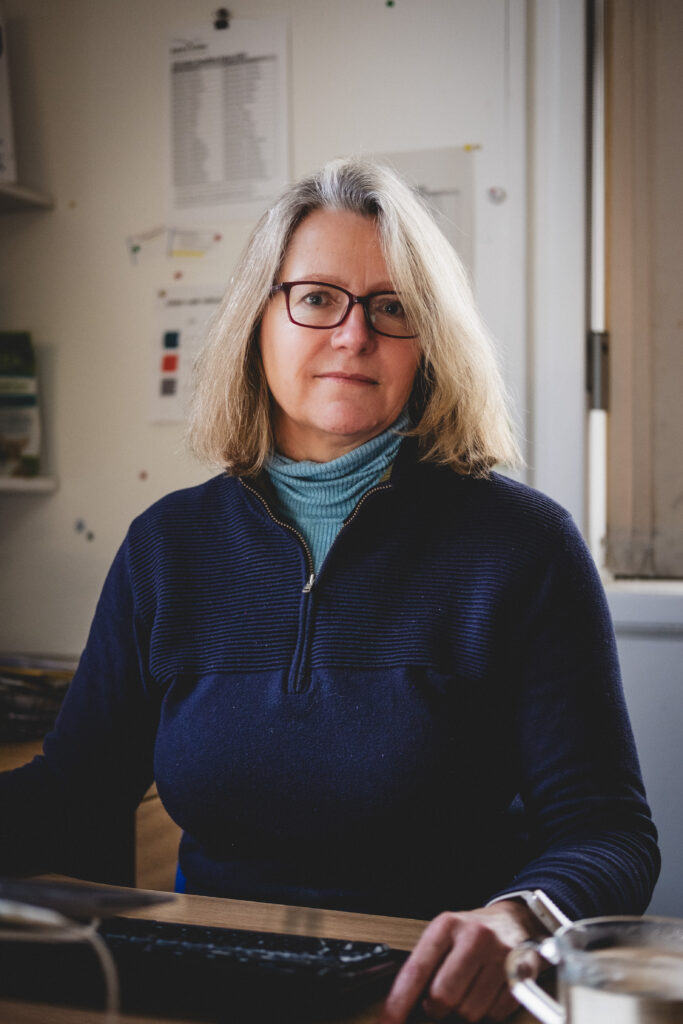
“There are some welcome measures in the Budget that could ease financial pressures on rural households, but we are disappointed that the Chancellor has not removed the 5% VAT on domestic heating oil and LPG. We welcome the reduction in VAT on electricity, but why not extend the same relief to households reliant on heating oil? While removing the 4% import tariff on qualifying kerosene imports sounds positive, there is no guarantee these savings will reach households rather than being absorbed within the supply chain.
We also welcome the £100 energy payment for households in Council Tax bands A to D. However, this risks overlooking rural households who may be asset rich but cash poor, living in older, poorly insulated properties with high heating costs. Council Tax bands are not necessarily a reliable indicator of someone’s ability to afford to heat their home.
Reducing gas standing charges is another positive step, but if this results in higher unit costs, vulnerable people who need to keep their homes warm for longer could actually end up paying more. It is important that changes to energy bills protect those who need to use the most energy, rather than simply rewarding lower consumption.
The removal of import tariffs on more than 100 food products, including everyday items such as baked beans and jam, is also welcome. However, the savings for individual households are likely to be relatively small and will do little to address the financial pressures facing families already struggling to afford the basics.
We are also concerned that the Government’s approach to economic growth and the allocation of business rates funding to Strategic Authorities could leave rural communities behind. Unless rural needs are explicitly recognised, there is a real risk that investment will be concentrated in urban areas, where the economic returns may be more immediately apparent, rather than in rural communities facing equally pressing challenges.
For Derbyshire’s farmers, there may be some modest benefits from lower fertiliser import tariffs and other measures, which we welcome. However, many of our farms are livestock rather than arable enterprises, so the savings will vary and may be relatively limited. With rising costs, tight margins and continuing uncertainty, making a viable living from farming remains extremely difficult.
Overall, while the Budget offers some positive measures, it does not go far enough in recognising the additional costs of rural living or the challenges facing rural businesses. We need policies that deliver meaningful savings for rural households and ensure our communities receive a fair share of investment and support.”