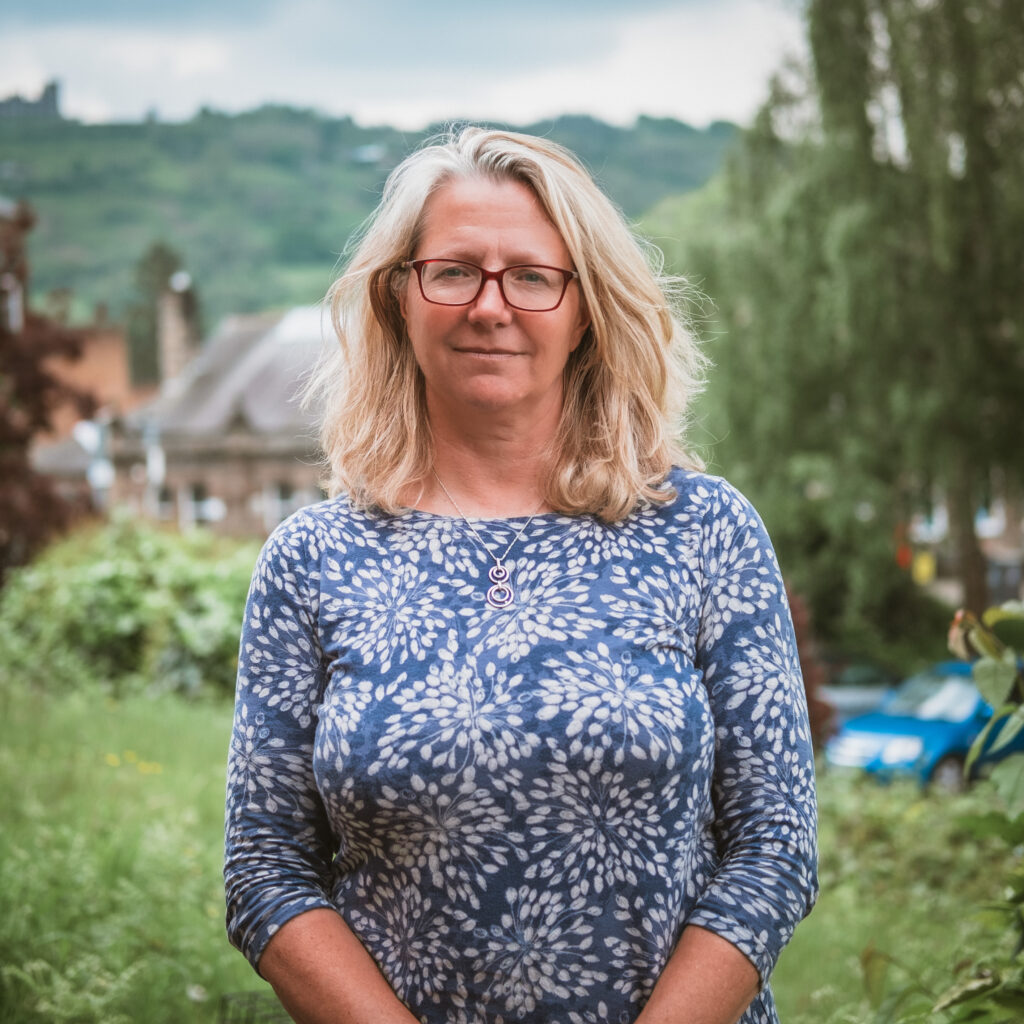
By Emma Simpson, CEO
In this month’s Derbyshire Life column, Emma talks about the three little letters that are set to shape Derbyshire for a generation: LGR (Local Government Reorganisation). She explores what the move to new unitary authorities could mean for local communities, why rural voices must be heard throughout the process, and why residents should take an interest in these significant changes now rather than later.
Three little letters that, until recently, meant very little to most people in Derbyshire. Yet for months they’ve dominated conversations in council offices, committee meetings and public sector organisations across the county.
LGR
To me, it feels like everyone involved in local government has been talking about Local Government Reorganisation, while everyone else has been carrying on with life, blissfully unaware.
That changed on 16 July, when the Government announced that Derbyshire’s current two-tier council system will be replaced by two new unitary authorities from April 2028.
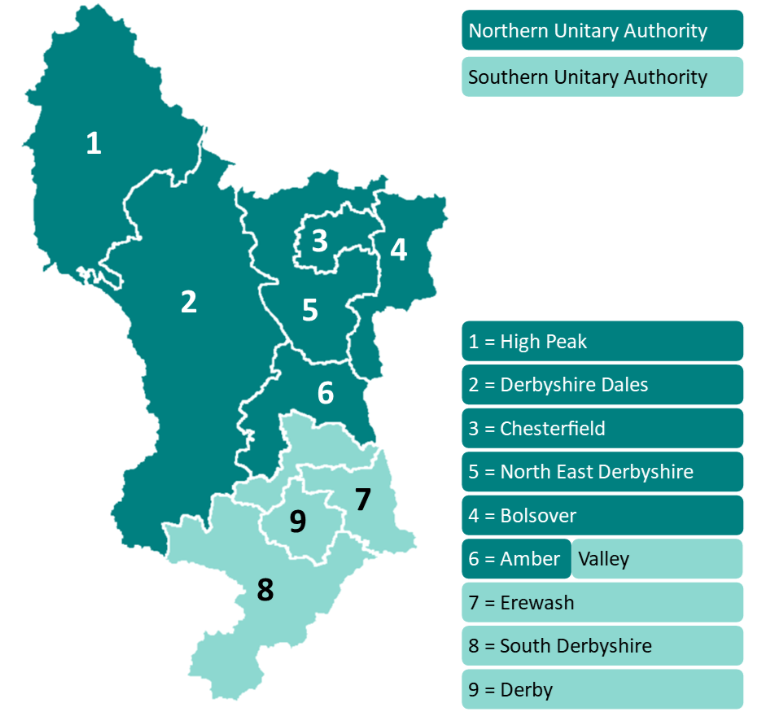
At the moment, local government in Derbyshire consists of Derby City Council, Derbyshire County Council and eight district and borough councils. The new arrangement – two unitary authorities covering North Derbyshire and South Derbyshire – should, in principle, simplify how local government works, reduce duplication and create councils that are better placed to deliver services efficiently.
It is one of the biggest changes to local government in decades, affecting everything from education and highways to planning, waste collection and social care.
At first glance, many residents may wonder what difference it will make. The bins will still be emptied. Children will still go to school. Roads will still need repairing. Life won’t suddenly look different on 1st April 2028.
LGR is part of a much wider ambition to devolve power away from Whitehall and give local areas greater responsibility for the decisions that affect them. It’s a philosophy championed by Prime Minister Andy Burnham, who co-authored Head North in 2024 that England has become too centralised and that places prosper when decisions are made closer to the communities they affect.
I agree with that principle. Most of us would probably rather see decisions about Derbyshire made in Derbyshire than in Whitehall.
But that raises another question.
How local is local?
Derbyshire isn’t one community. It’s a county of market towns, former mining communities, villages, farms and urban centres, each with its own opportunities and challenges. Whatever LGR looks like from 1st April 2028, it has to work just as well for rural communities as it does for our towns and cities.
Working alongside Mayor Claire Ward’s East Midlands Combined County Authority (EMCCA), the two new unitary authorities will need to improve rural transport, increase access to affordable housing in villages (not just towns and cities), support farming and land-based businesses, protect our countryside and ensure that “inclusive growth” genuinely recognises the economic, social and environmental value of rural communities.
So why do I think it’s important?
As the new authorities begin to take shape, there is a natural tendency for attention to focus on where the greatest numbers of people live. That’s understandable. Bringing organisations together, integrating staff, aligning systems and balancing budgets will be an enormous task.
But while urban areas have greater population density, delivering services across rural Derbyshire is often more complex, more expensive and takes longer. Those realities need to remain firmly in view as the new councils are designed.
Working in this sector, I’ve watched LGR dominate conversations for months. What concerns me isn’t the change itself (every organisation needs to evolve), but that many people won’t realise how significant it is until it’s too late and the new structures are already in place.
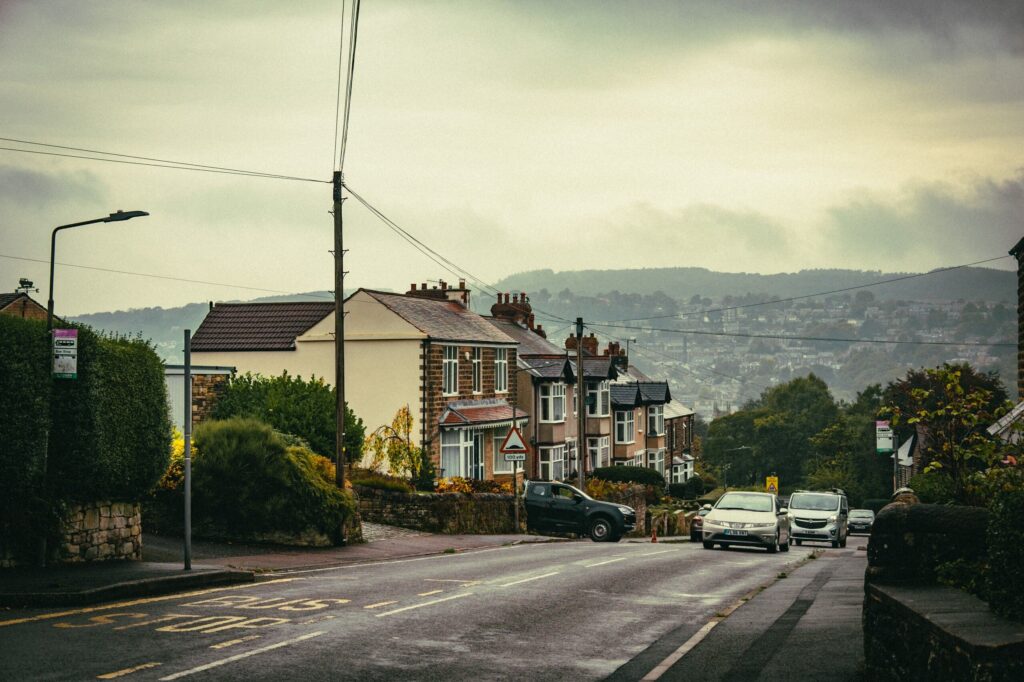
The next two years will shape Derbyshire for decades. Decisions made now will influence how local services are delivered, where investment goes, how communities are represented and whose voices are heard.
The next two years will shape Derbyshire for decades. Decisions made now will influence how local services are delivered, where investment goes, how communities are represented and whose voices are heard.
That’s why I believe residents should take an interest now rather than later. Don’t assume this is simply something happening behind closed doors in Council Chambers. Follow what’s happening. Ask questions. Speak to your local councillors. Respond to consultations when they’re launched. The more local people engage with the process, the greater the chance that the new councils will genuinely reflect the communities they are being created to serve.
If devolution and LGR is genuinely about bringing decision-making closer to communities, then every community has to count – not just those with the largest populations. Rural Derbyshire has its own strengths, its own challenges and its own voice.
LGR may be just three little letters, but over the next two years they could shape Derbyshire for a generation. That’s why they’re worth understanding now, before the biggest decisions have already been made.

If you’d like to know more about LGR, how it could affect your community, or how Rural Action Derbyshire is working to ensure rural voices are heard throughout the transition, I’d be delighted to hear from you.
Emma Simpson
e.simpson@ruralactionderbyshire.org.uk
07540 736118.