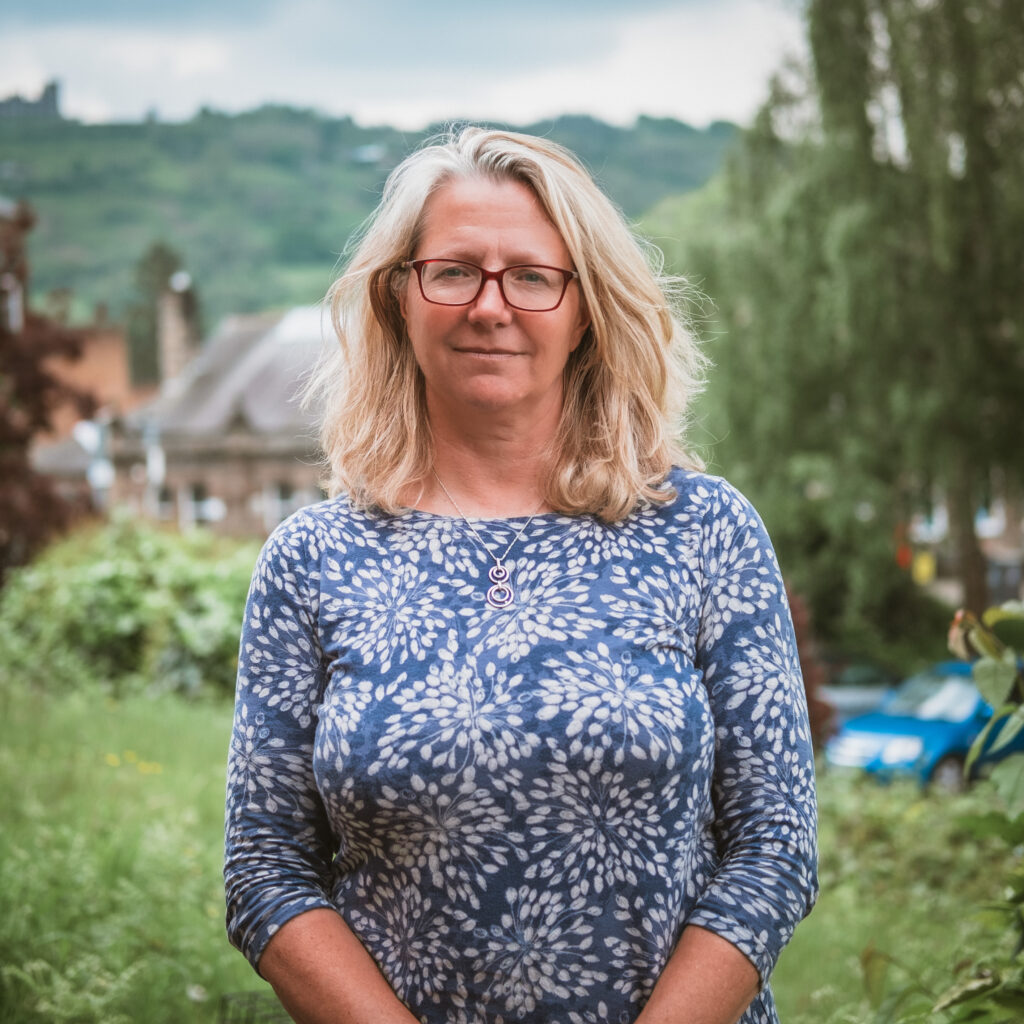
By Emma Simpson, CEO
Emma Simpson explores why affordable rural housing is about far more than providing homes. During Rural Housing Week, she highlights how a lack of local housing can force young people and older residents away, threatening the long-term sustainability, identity and vitality of rural communities.
For many people, local isn’t a county or even a postcode area. It’s the place where they grew up, where their family lives, where their children attend school, and where generations before them are buried.
Local is about belonging.
And if we don’t understand that, we won’t understand why affordable rural housing is so important.
Rural Housing Week
As part of Rural Housing Week 2026, organisations across England are highlighting the vital role affordable homes play in sustaining rural communities. Too often, discussions about housing focus on numbers, targets, and delivery.
Those things matter, but they don’t tell the whole story.
The real question isn’t simply whether people have somewhere to live. It’s whether they can continue living in the communities where they belong.
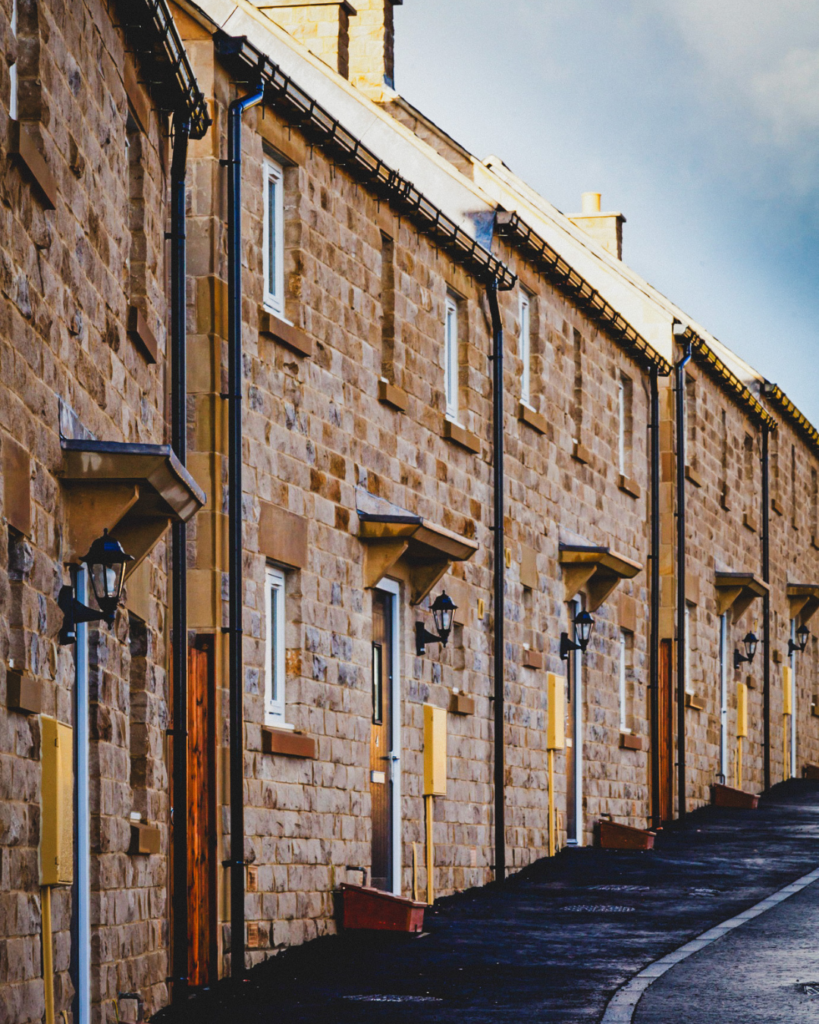
Across rural Derbyshire, many young adults find themselves facing a difficult choice. They want to move out of the family home, start independent lives and perhaps raise families of their own. However, suitable housing is often unavailable or unaffordable within their community.
So inevitably they move away.
The move may be only a few miles down the road. On paper, that may seem insignificant. In reality, it can mean leaving behind support networks, friendships, community connections and a sense of identity that has been built over a lifetime.
The same challenge affects older residents.
Many people would like to downsize as they get older. Their current home may be expensive to heat, difficult to maintain or simply larger than they now need. Yet suitable alternatives are often unavailable within their village or local area.
Faced with that situation, people are forced to choose between living in a property that no longer meets their needs or leaving the community where they have spent decades contributing, volunteering, supporting neighbours and participating in village life.
Neither outcome is ideal.
What Can Be Done?
At Rural Action Derbyshire, one of the most important tools we use to understand these challenges is a Housing Needs Survey.
These surveys, carried out with the local community and often the Parish Council, help identify who needs housing and, crucially, who wants to stay in the area. They gather information about the type of homes people need, whether that is a one-bedroom flat, a family house or a bungalow, as well as whether they are looking to rent, buy with a mortgage or shared ownership.
This evidence helps communities understand their own housing needs and provides a foundation for conversations about future housing development.
Sometimes those conversations lead to opportunities that many people are unaware exist.
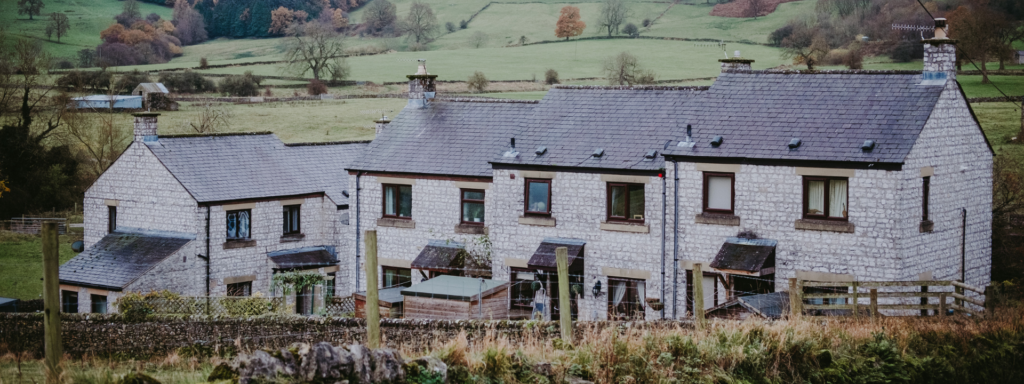
In villages with populations of fewer than 3,000 people, there may be opportunities to deliver affordable homes through what is known as a Rural Exception Site. These are sites that would not normally be released for housing development, but can be used specifically to provide affordable homes for local people.
Importantly, these homes are for local people in perpetuity, ensuring that future generations also benefit.
Rural Exception Sites can help communities retain young people, support older residents who wish to remain local and maintain the population needed to sustain schools, shops, services and community organisations.
They are not simply about building houses. They are about sustaining communities.
When local schools struggle with falling pupil numbers, when village shops close, when community groups cannot recruit volunteers, or when employers cannot find workers, housing is often part of the story.
People cannot contribute to a community if they can no longer afford to live there.
Not In My Backyard!
It is entirely understandable that people can feel nervous when they hear about new housing development in their village. Rural communities are often protective of the places they love, and many people worry about the impact of large housing estates on the character of their community. However, a Rural Exception Site is very different from a conventional housing development. These schemes are typically small in scale and are designed specifically to meet an identified local housing need.
It’s about housing for local people, on a scale that reflects the size and character of the community.
Affordable homes for people with a strong local connection, helping young people, families and older residents remain within their community. They are not large developments of executive homes built for the open market.
Landowners Can Help
In many cases, local landowners play a vital role by making a small parcel of land available, either as a gift to benefit the community or by selling it at a value that reflects its social purpose – higher than agricultural land values, but significantly lower than land sold for unrestricted residential development (which they couldn’t do anyway). The result is a practical way of providing affordable homes while helping to sustain the long-term future of rural communities.
As housing providers, local authorities, community organisations and residents come together during Rural Housing Week, it is worth remembering that housing is about more than bricks and mortar.
It is about belonging.
It is about ensuring that young people who have grown up in a village have the opportunity to remain there if they choose. It is about allowing older residents to stay connected to the people and places that matter most to them. It is about preserving the social fabric that makes rural communities resilient, supportive, and vibrant.
We often talk about supporting local communities.
Providing genuinely affordable homes for local people is one of the most important ways we can do exactly that.